
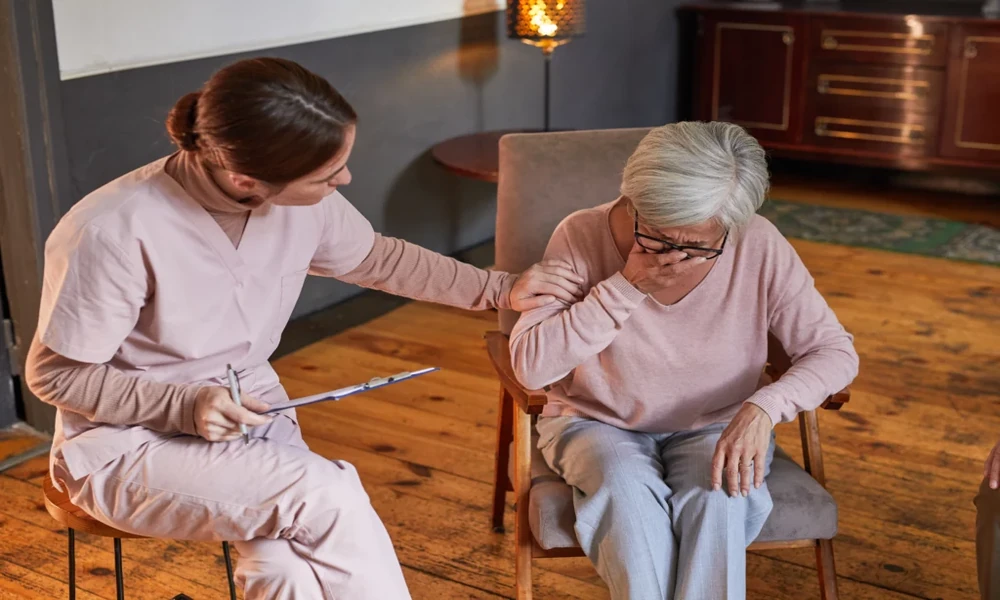
Nursing home neglect is a serious concern affecting many families in Kansas City, Missouri. It occurs when residents in long-term care facilities do not receive the proper attention, supervision, or basic care required for their health and safety. This may include failure to provide adequate nutrition, hygiene support, medication management, or timely medical attention. Because many residents are elderly or medically fragile, even minor lapses in care can lead to severe consequences such as infections, injuries, or long-term health decline.
Families often struggle to recognize whether what they are seeing is an unfortunate accident or a pattern of neglect. Understanding how the law addresses these situations can help them make informed decisions and protect their loved ones.
For those seeking guidance, you may hire Mohlman Injury Law as your experienced nursing home neglect attorney in Kansas City MO. Mohlman Injury Law is located in 1102 East Rd Naperville and their contact number is +1 816-427-6559.
Understanding Nursing Home Neglect in Kansas City MO
Nursing home neglect refers to the failure of a care facility or its staff to meet the basic needs of a resident. Unlike intentional abuse, neglect is often the result of understaffing, poor training, or lack of supervision. However, the legal implications can still be significant because facilities are required to maintain a standard of care.
In Kansas City and throughout Missouri, nursing homes must comply with state regulations as well as federal standards under Medicare and Medicaid participation rules. These standards ensure that residents receive proper medical attention, hygiene assistance, nutrition, and safe living conditions.
Common forms of neglect include:
- Failure to reposition bedridden residents, leading to bedsores
- Missed or incorrect medication administration
- Inadequate hydration or nutrition
- Poor hygiene or unclean living environments
- Lack of supervision leading to falls or injurie
Common Signs and Causes of Nursing Home Neglect
Recognizing neglect early can significantly reduce harm to a loved one. Families should observe both physical and behavioral changes that may indicate inadequate care.
Physical Warning Signs
Physical indicators often appear first and may include:
- Unexplained weight loss or dehydration
- Frequent infections or untreated medical conditions
- Bedsores or skin breakdown
- Poor personal hygiene or soiled clothing
- Unexplained bruises or injuries
Emotional and Behavioral Changes
Neglect can also affect emotional well-being. Residents may show:
- Withdrawal from social interaction
- Anxiety or depression
- Fearfulness around staff members
- Sudden changes in personality or alertness
Contributing Factors
Several systemic issues often contribute to neglect in nursing homes:
- Chronic understaffing and high employee turnover
- Insufficient staff training
- Poor management or oversight
- Budget constraints affecting care quality
These factors do not excuse neglect, but they help explain how lapses in care can occur within institutional settings.
Legal Rights and the Role of a Nursing Home Neglect Attorney
Residents in nursing homes have legal rights that protect them from neglect and substandard care. These rights include access to adequate medical treatment, dignity in daily living, and protection from harm.
When these rights are violated, families may consider legal action. A nursing home neglect attorney reviews medical records, facility reports, staffing logs, and witness statements to determine whether negligence occurred.
In Kansas City, consulting a legal professional is often necessary to navigate Missouri’s elder care laws and determine whether a facility failed its duty of care. An attorney also helps families understand whether damages may be pursued for medical costs, pain and suffering, or wrongful death in severe cases.
An experienced nursing home neglect attorney in Kansas City MO typically evaluates:
- Whether the facility breached its duty of care
- Whether the breach directly caused harm
- The extent of physical, emotional, or financial damages
- Compliance with state and federal regulations
Legal professionals may also coordinate with medical experts to establish whether injuries were preventable.
How Nursing Home Neglect Cases Are Evaluated
Building a nursing home neglect case requires careful review of evidence. Unlike straightforward incidents, neglect cases often rely on patterns of documentation and testimony rather than a single event.
Key types of evidence include:
- Medical records showing untreated conditions or delayed care
- Staffing schedules that indicate understaffing
- Inspection reports from regulatory agencies
- Photographs of injuries or unsafe conditions
- Statements from staff, residents, or family members
State agencies such as the Missouri Department of Health and Senior Services provide inspection data and complaint records that may support an investigation Missouri Nursing Home Inspection Reports.
Attorneys analyze whether there is a clear link between the facility’s conduct and the harm suffered by the resident. This causation element is essential in determining whether a legal claim is viable.
Conclusion
Nursing home neglect in Kansas City, MO, is a serious issue that can have lasting consequences for vulnerable residents. Understanding the warning signs, causes, and legal protections available is essential for families who want to ensure proper care for their loved ones.
