
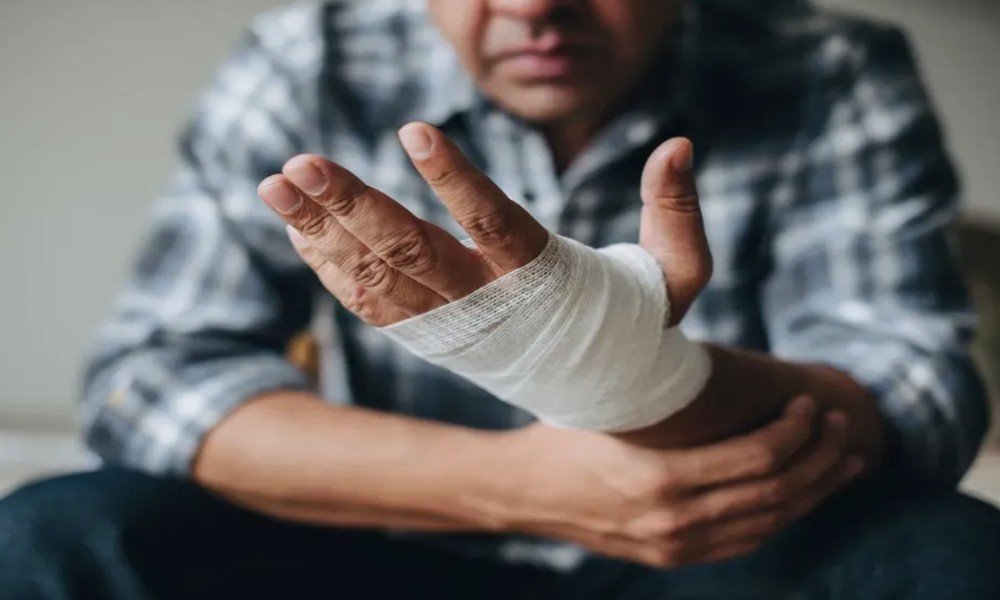
Experiencing a personal injury can be overwhelming, but taking careful steps after the incident is critical for building a strong legal case. Proper documentation, timely action, and professional guidance can make a significant difference in securing fair compensation.
Seek Immediate Medical Attention
The priority after any injury is your health. Prompt medical care not only ensures your well-being but also creates official records of the injury. Detailed medical documentation-including diagnoses, treatments, and follow-up plans-is crucial evidence that supports the severity and legitimacy of your claim. Delays in seeking care can raise doubts about the injury’s extent or cause.
Document the Incident Thoroughly
Accurate documentation is essential for a strong case. Take photos of the scene, any property damage, and visible injuries as soon as possible. Collect contact information from witnesses and maintain a record of any communications related to the incident. Keeping a journal of symptoms, pain levels, and medical appointments can further establish the impact of the injury over time.
Preserve Evidence and Records
Retaining all relevant evidence is key. Save medical bills, receipts for related expenses, and any correspondence with insurance companies or involved parties. If some objects or conditions contributed to the injury, preserving them or taking detailed photos can strengthen your claim. Evidence integrity helps establish responsibility and supports your argument for compensation.
Consult a Legal Professional
Engaging a qualified personal injury attorney early in the process can guide you through the legal complexities. An attorney can assess the strength of your case, advise on necessary documentation, and negotiate with insurance companies on your behalf. Legal guidance ensures that your rights are protected and that you are pursuing appropriate compensation for medical costs, lost income, and pain and suffering.
Understand Timelines and Requirements
Injury claims are often subject to strict deadlines, such as statutes of limitations, which vary by jurisdiction. Filing claims promptly and adhering to procedural requirements is essential to avoid losing legal rights. Your attorney can clarify timelines and ensure all necessary steps are completed on schedule.
Communicate Carefully
After an injury, be cautious in your communications with insurance companies or other parties involved. Avoid giving recorded statements or signing documents without professional guidance, as premature or inaccurate information can negatively affect your claim.
By prioritizing health, thoroughly documenting the incident, preserving evidence, and seeking professional legal guidance, injured parties can structure a strong case. These steps increase the likelihood of achieving fair compensation and ensure that the legal process proceeds as efficiently and effectively as possible.
This article was written by Alla Tenina. Alla is a top slip and fall attorney Orange County CA, and the founder of Tenina Law. She has experience in bankruptcies, real estate planning, and complex tax matters. The information provided on this website does not, and is not intended to, constitute legal advice; instead, all information, content, and materials available on this site are for general informational purposes only. Information on this website may not constitute the most up-to-date legal or other information. This website contains links to other third-party websites. Such links are only for the convenience of the reader, user, or browser; the ABA and its members do not recommend or endorse the contents of the third-party sites.